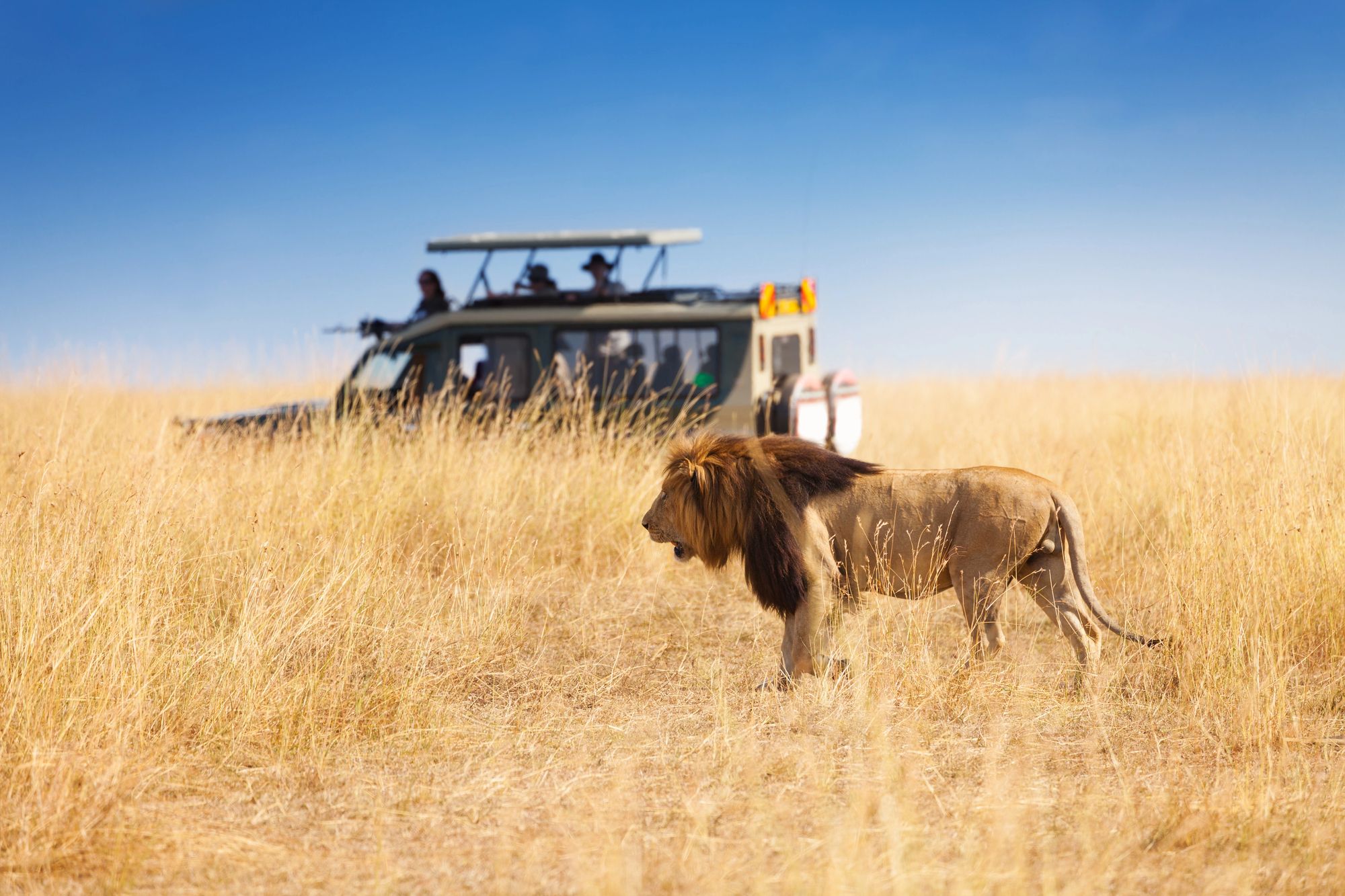
Masai Mara
Where you sleep in the Mara matters more than the camp
Two camps a few miles apart can give you completely different weeks. The difference is rarely the tent. It is the land the tent stands on, and the rules that come with it.
The short version
Three kinds of land, three kinds of week
The Masai Mara National Reserve is the government-managed core. Anyone with a ticket can drive it, vehicle numbers are not capped, and you stay on the tracks.
Around it sit private conservancies, leased from Maasai landowning families. Each caps beds, and therefore vehicles. Off-road driving, night drives and walking are permitted. They cost more per night, and that money is the lease.
Outside the boundary is the cheapest option, and the one with the most hidden costs, an hour to the gate each morning and a reserve entry fee every time you go in.
- Reserve: cheaper, busier, and where the river crossings happen
- Conservancy: quieter, more flexible, and more expensive per night
- Outside: lowest headline rate, longest drives, fees charged per entry
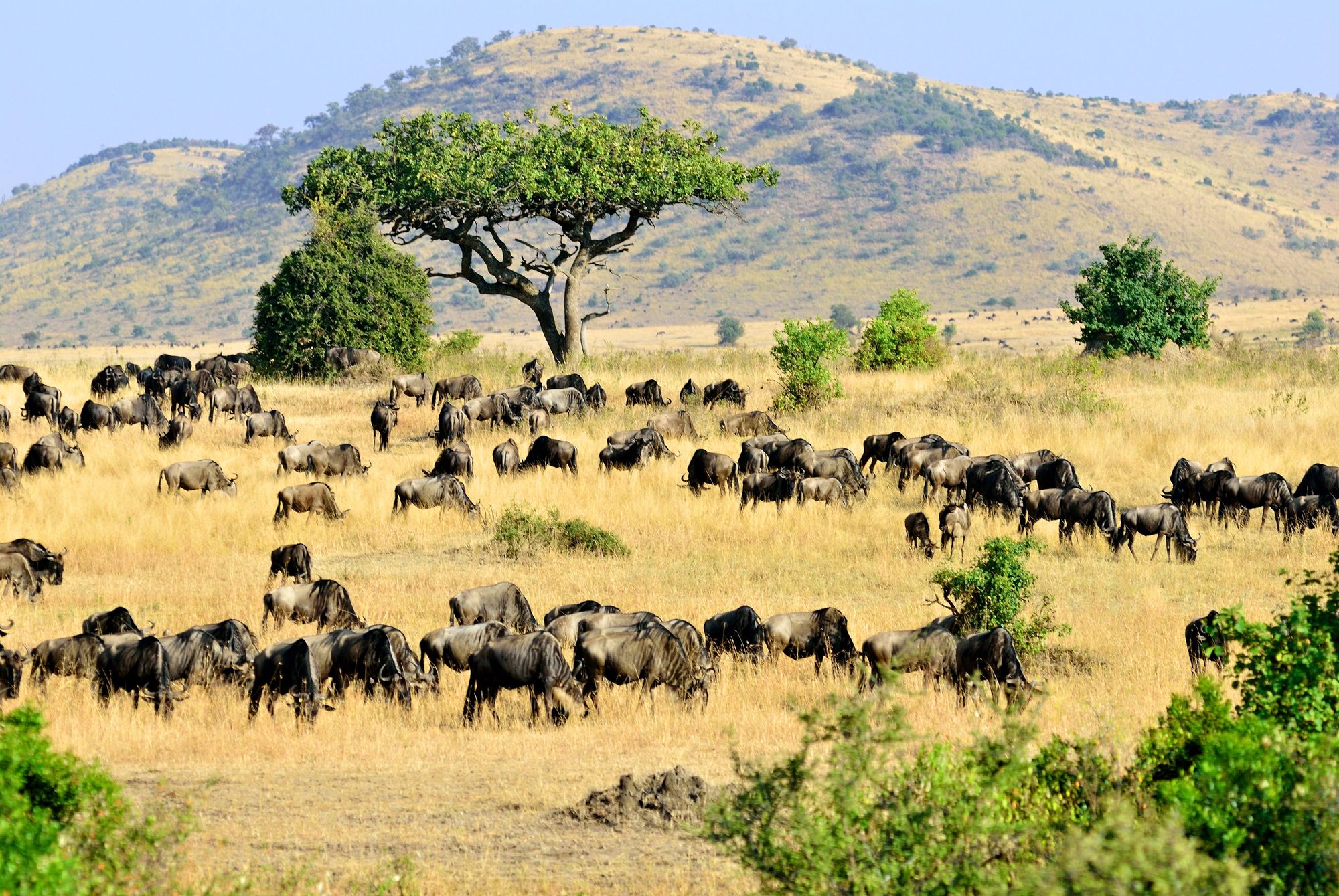
Start here
The four things that decide your Mara
In roughly this order. Get these right and the shortlist of camps is short.
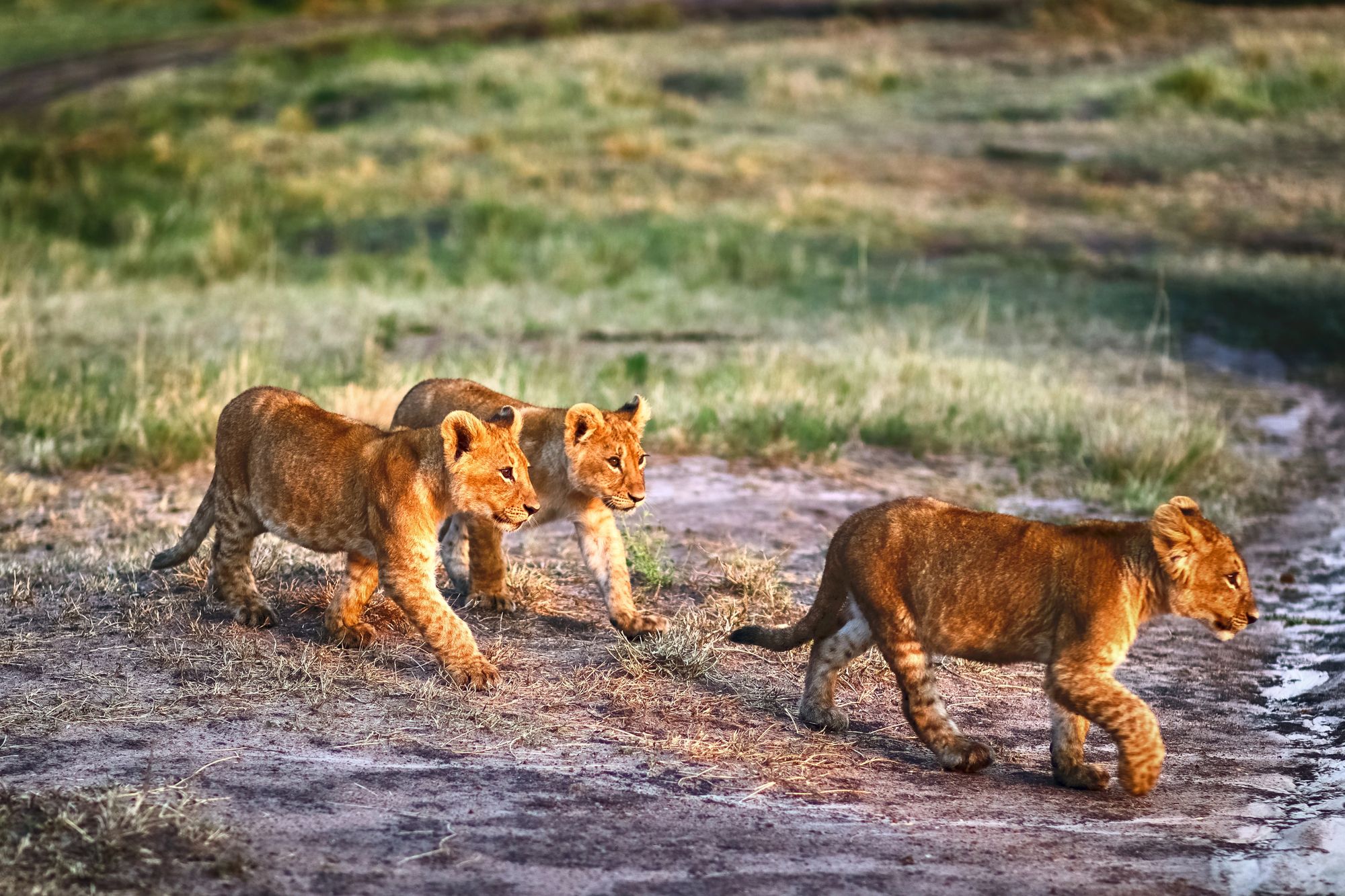
Reserve or conservancy
The decision that sets the rules for every day of your stay.
Compare them
Which conservancy
Six of them, and they are not interchangeable: density, price and character all differ.
See all six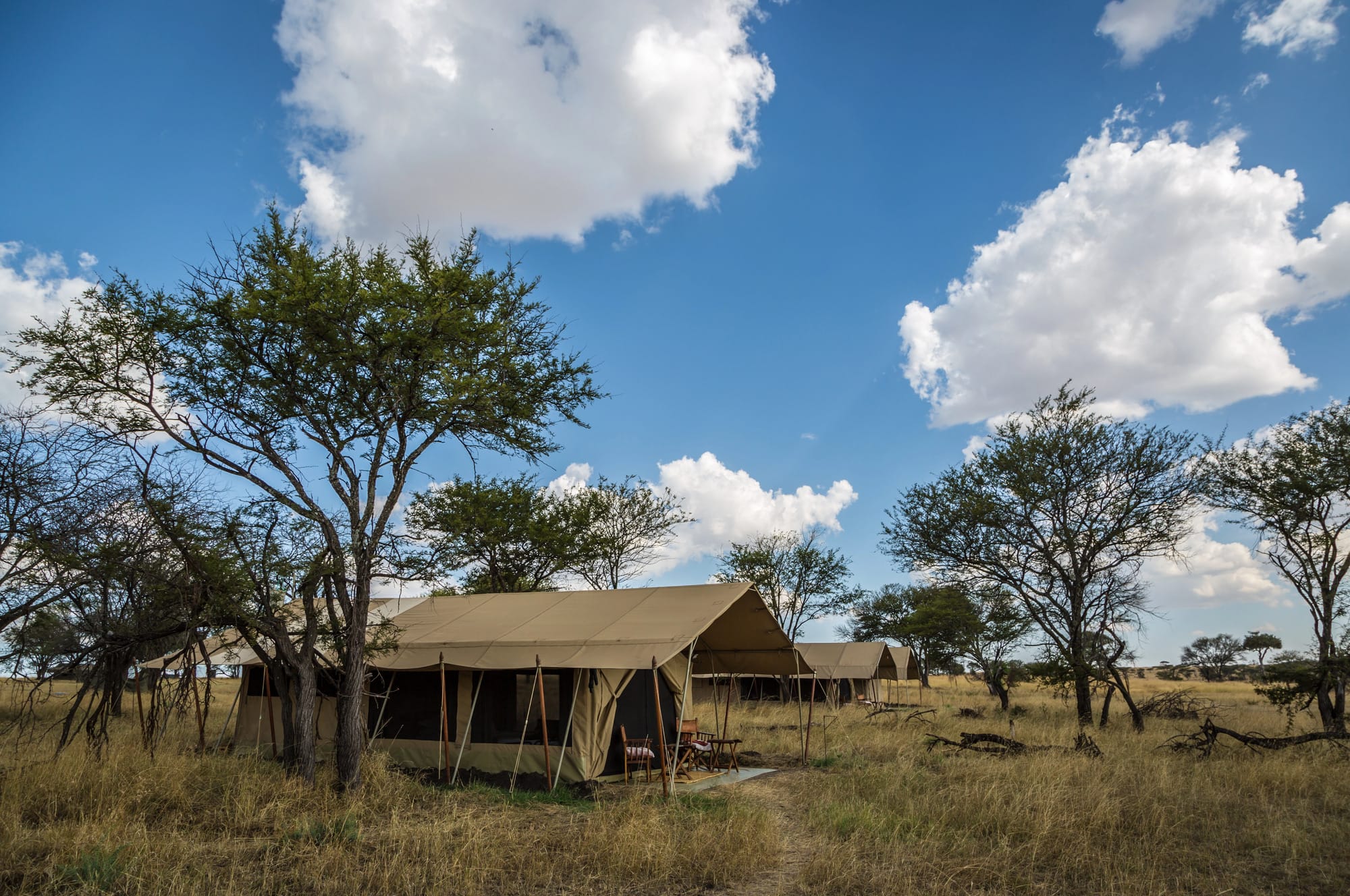
What kind of camp
Mobile, classic tented, lodge, exclusive-use house. What each is actually like.
Read the guide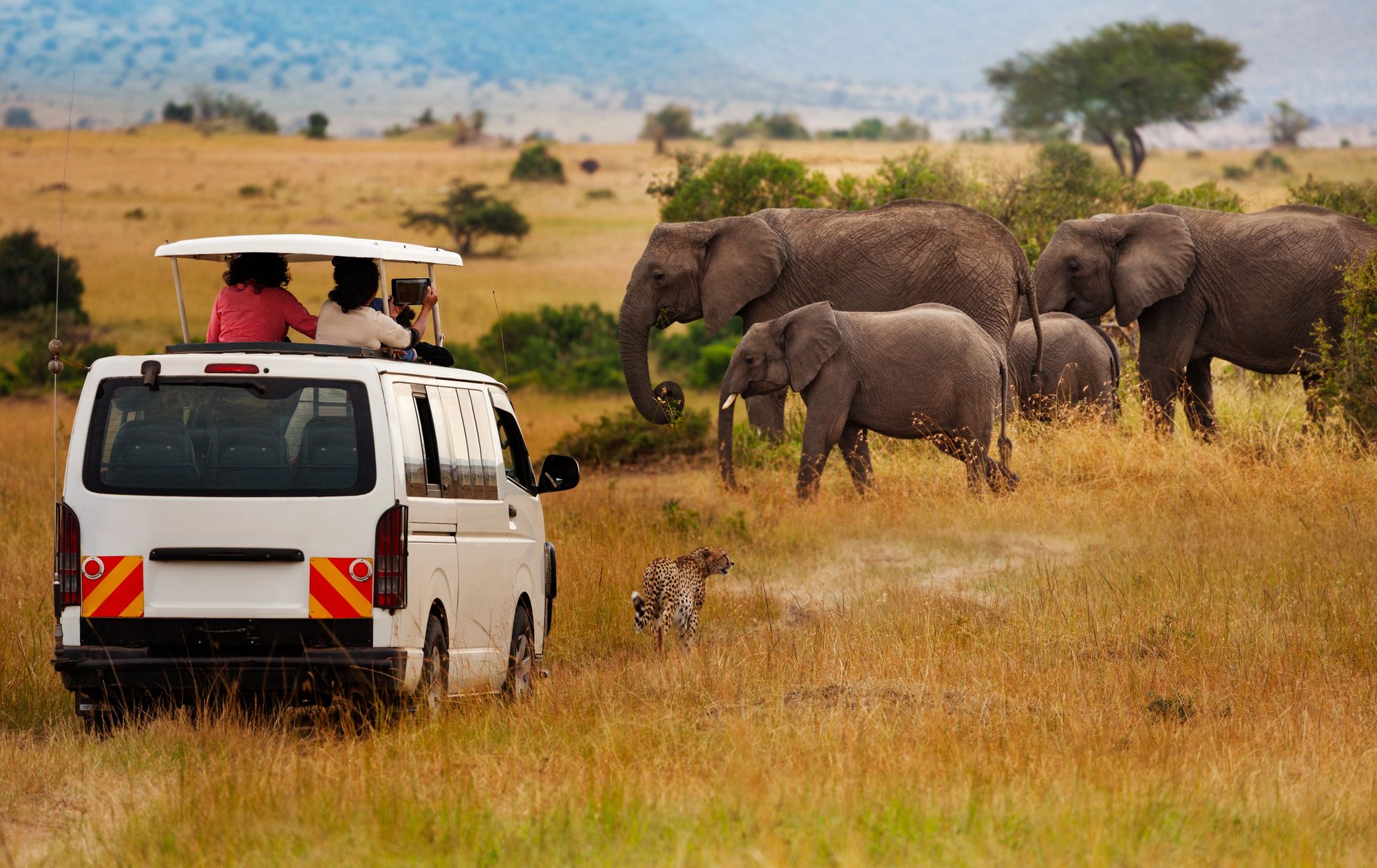
Your vehicle
Private or shared is the biggest single difference to how a day feels.
Why it matters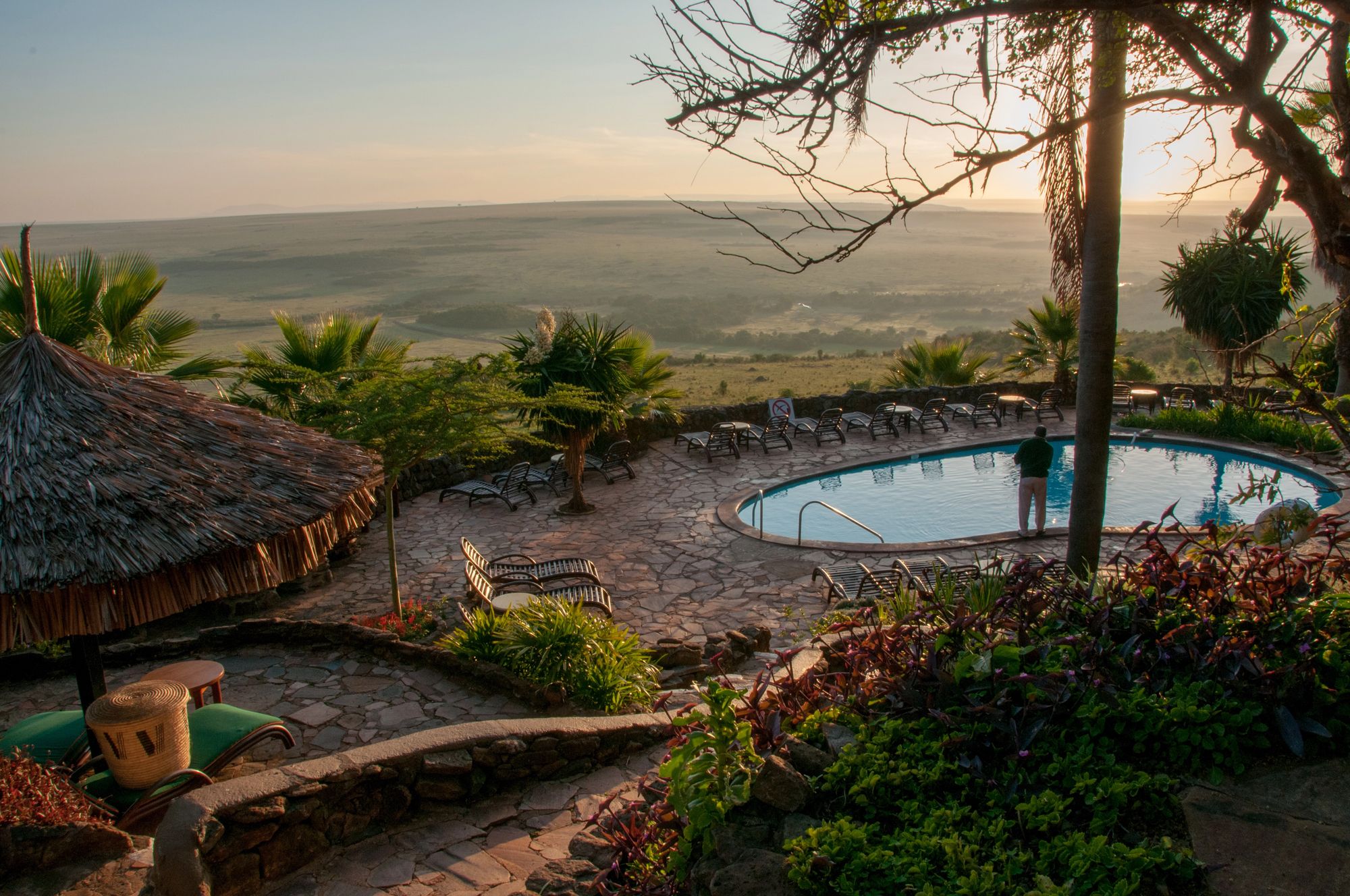
What it costs
What each level buys per person per night, and where the money goes.
See the ranges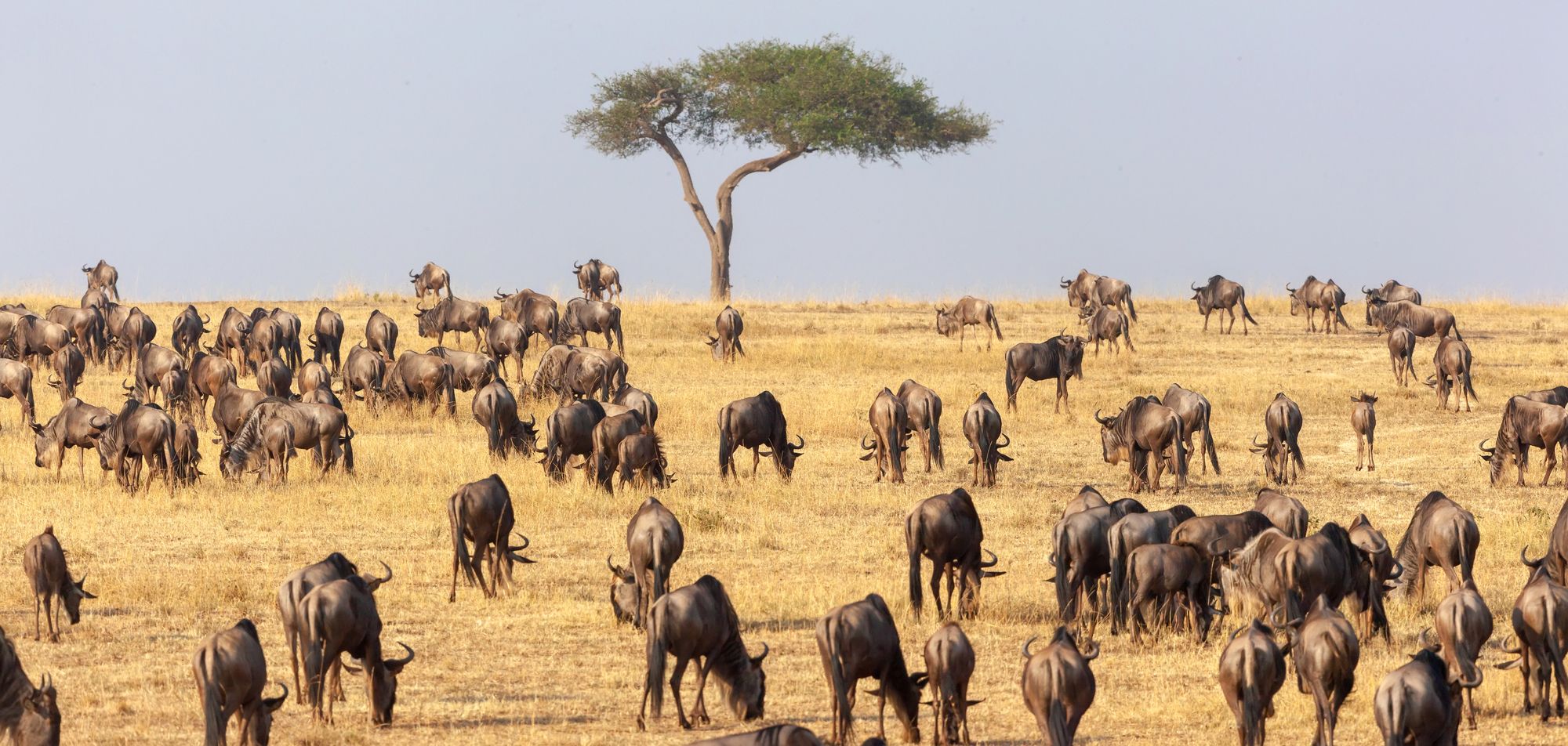
When you are going
Crossing season changes which side of the boundary you want to be on.
Migration guideAt a glance
The comparison most sites will not print
Neither column is better. They are different products at different prices, and the right one depends on one question: how much would other vehicles spoil it for you?
| National Reserve | Private conservancy | |
|---|---|---|
| Vehicles at a sighting | Uncapped | Capped by the lease |
| Off-road driving | Not permitted | Usually permitted |
| Night drives | Not permitted | Usually permitted |
| Walking safaris | Not permitted | Usually permitted, armed guide |
| Mara River crossings | Inside the reserve | A drive into the reserve |
| Cost per night | Lower | Higher. The fee is the land lease |
| Best for | Migration, first safaris, tighter budgets | Quiet, photography, repeat visitors |
Free download
The Mara Camp Checklist
Nineteen questions that separate a Mara camp that will suit you from one that will not. Most of them are never asked, and almost none are answered on a camp’s own website.
- Reserve, conservancy or outside the gate, compared line by line
- The six Mara conservancies and how they differ from each other
- The vehicle question: private, shared, and what “shared” really means
- How to find out a camp’s real vehicle density before you book
- What a conservancy fee of $80 to $150 a night pays for, and why it is not a luxury premium
- Nineteen questions to ask before you pay a deposit
- Crossing season: what a river-front camp buys you, and what it costs
- A one-page worksheet to fill in before you enquire anywhere
No cost, no obligation. We ask for an email so we can send it and, if you want it, follow up once.
Before you ask
The questions we get most
Is a conservancy camp worth the extra?
If other vehicles would spoil it for you, yes, and by a wide margin. You are buying the absence of a queue, plus night drives and walking that the reserve does not allow.
If you are going for the migration and your budget is finite, the reserve puts you closer to the crossings for less. Plenty of good trips do two nights of each.
How many nights should I give the Mara?
Three is the working minimum. One is lost to arrival and one to departure. Four is better in migration season. Fewer than three and you are paying Mara prices without the time to get away from the traffic.
Will a conservancy camp still get me to a river crossing?
Yes, but it is a drive, typically an hour or more each way into the reserve, and you pay the reserve entry fee for the day. Many conservancy camps run a full-day trip with a packed lunch during crossing season.
If crossings are the whole point of the trip, a reserve camp near the river is the honest answer.
Are the cheap camps outside the gate a false economy?
Often, but not always. If you are on a tight budget, travelling in the green season and happy with longer drives, they work. What catches people out is the reserve entry fee charged every time you drive in, and losing two hours a day on the road.
Ask for the all-in price including the entry fees you will actually pay. It closes most of the gap.
Who actually arranges my safari?
This site is a planning guide. When you send an enquiry it goes to Nomad Africa, our partner travel agency in Kenya, who prepare your itinerary and quote and handle the booking, the payments and you on the ground.
You deal with one team from the first email to the airport transfer home.
Start planning
Tell us how you want to travel
Send your dates, your party and your budget per person per night, and tell us how much other vehicles would bother you. That answer changes which camps we suggest more than anything else you can tell us.
Our Kenya specialist replies within 24 hours with named camps and an itemised price.
- Named camps, checked against real availability for your dates
- The land type spelled out for each one: reserve, conservancy or outside
- Whether your vehicle is private, and what it costs if it is not
- An honest answer if your budget and your expectations do not meet
Who answers
Nomad Africa, our partner travel agency in Nairobi, builds and prices every itinerary we send. You deal with one team, on the ground, for the whole trip.
Founded in 2017 as East Africa’s only dedicated travel magazine, Nomad still publishes, so the people planning your trip are the ones who write about these places for a living.
Get your tailored itinerary and quote
Our Kenya specialist replies within 24 hours with a costed plan built around your dates.
More from our Kenya guides
Specialist guides across our Kenya network
Each of these is a focused guide we publish. Same Kenya specialist behind every enquiry.
Indicative 2026/27 rates. Your quote confirms exact pricing for your dates.